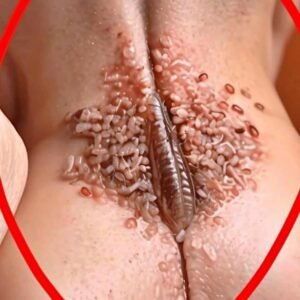
These patterns can sometimes appear unusual or even concerning, particularly when they become more noticeable or seem to occur on a regular basis. For many people, noticing these kinds of marks or patterns can naturally lead to questions about what might be causing them and whether they indicate something unusual. However, it is important to understand that not every visible change on the body is a sign of an underlying problem. In many everyday situations, these patterns are simply associated with ordinary physical factors that affect the skin and the way clothing rests against the body.
Pressure is one of the most common explanations. When clothing remains pressed against the skin for an extended period, it can leave temporary impressions that may become more noticeable after removing the garment. Friction can also contribute, especially when certain fabrics repeatedly rub against the same areas of the body during normal movement. Moisture and perspiration may make these effects more visible, as damp skin can react differently to contact with clothing.
Another important factor is the fit and construction of clothing. Elastic waistbands, tight seams, decorative stitching, fabric folds, and closely fitted materials can all create temporary patterns on the skin. Depending on the material, these impressions may appear as lines, curves, small indentations, or more noticeable shapes. Even clothing that feels comfortable throughout the day can sometimes leave visible marks after several hours of wear.
Body position and everyday activities can also influence how these patterns develop. Sitting for long periods, sleeping in a particular position, exercising, or spending several hours wearing the same outfit may contribute to temporary pressure marks. In some cases, the patterns disappear relatively quickly, while in others they may remain visible for a little longer before gradually fading.
It is also worth remembering that everyone’s skin responds differently to pressure, temperature, moisture, and friction. Some people naturally develop more noticeable impressions from clothing, while others may experience very little visible change under similar circumstances. This variation does not automatically mean that something is wrong.